
India and Oman: Unlocking Trade Opportunities via CEPA
MARKETS
Vishal Thakur
4/13/20262 min read
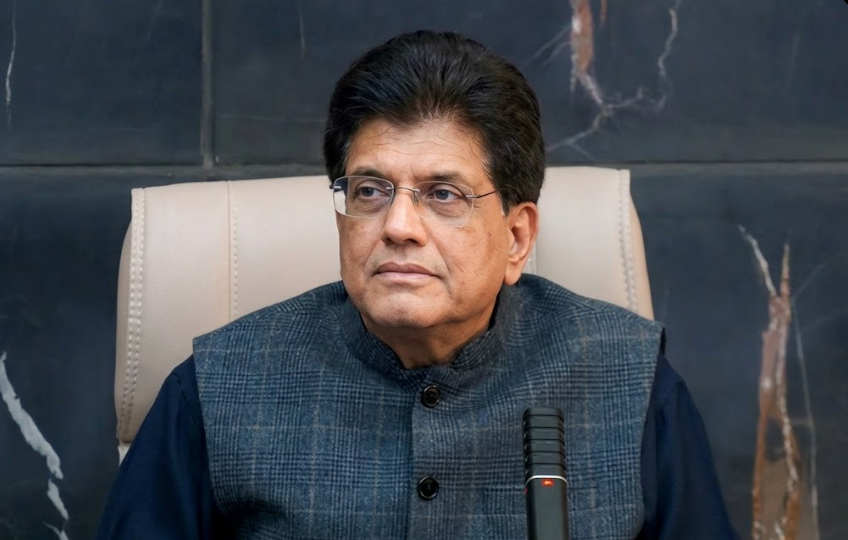
In a significant move to solidify the growing economic alliance between New Delhi and Muscat, Union Minister of Commerce and Industry Piyush Goyal held a high-level telephonic discussion today with his Omani counterpart, H.E. Anwar bin Hilal bin Hamdoun Al Jabri. The conversation centered on a singular, ambitious goal: unlocking the full potential of the India-Oman Comprehensive Economic Partnership Agreement (CEPA).
This dialogue marks a pivotal moment in West Asian diplomacy, coming just months after the landmark agreement was signed in late 2025. As both nations look to diversify their economies, the CEPA framework is being hailed as the "engine" that will drive bilateral trade well beyond its current levels.
The $10 Billion Milestone and Beyond
The economic relationship between India and Oman is already on a steep upward trajectory. In the 2024-25 fiscal year, bilateral trade stood at a robust USD 10.61 billion. However, the CEPA isn't just about maintaining these numbers—it’s about exponential growth.
Key Highlights of the Agreement:
Zero-Duty Access: Oman has offered immediate zero-duty access on a staggering 98.08% of its tariff lines, which covers nearly 99.38% of India’s exports to the Sultanate.
India’s Commitment: On the flip side, India is offering tariff liberalization on 77.79% of its lines, ensuring a balanced and mutually beneficial flow of goods.
Strategic Exclusions: To protect domestic interests, India has kept sensitive sectors like dairy, tea, coffee, and gold/silver bullion in the exclusion category.
Winners in the Indian Export Sector
The immediate elimination of tariffs is set to provide a massive competitive edge to several labor-intensive Indian industries. If you are an exporter in these fields, the doors to the Omani market are wider than ever:
Gems & Jewelry: A traditional Indian strength poised for a surge.
Textiles & Apparel: Ready-made garments and fabrics will benefit from lower entry costs.
Agriculture & Engineering: From food products to heavy machinery, Indian quality is now more affordable in Oman.
Pharmaceuticals & Medical Devices: Strengthening healthcare ties through easier trade of life-saving medicines.
More Than Just Trade: A People-First Partnership
Beyond the balance sheets and tariff lines, the India-Oman relationship is built on a foundation of deep cultural and historical ties.
With nearly 700,000 Indian nationals residing in Oman and over 6,000 Indian establishments operating in the Sultanate, the "living bridge" between the two nations is stronger than ever. The annual remittance of approximately USD 2 billion back to India underscores the economic vitalitiy of this diaspora.
Looking Ahead
The discussions between Minister Goyal and Minister Al Jabri signal a "ready-for-action" stance from both governments. As the CEPA framework moves from paper to practice, we can expect a flurry of new investments, joint ventures, and a more integrated supply chain across the Arabian Sea.
For businesses in both nations, the message is clear: The opportunities are unlocked. It’s time to step through.
Stay tuned for more updates on India's evolving global trade partnerships.
Connect
contact@blowpost.com
© 2025. All rights reserved.
BlowPost is an independent geopolitical and market intelligence publication. We cater to traders, bankers, logistics professionals, and anyone who wants to understand the structural forces beneath global events — energy markets, capital flows, and trade corridors. No ideology. No institutional interest. Just the structure.