
Sealing the Strait: The US Strategy to Lock Iran In
POLITICS
Vishal Thakur
4/14/20261 min read
The Blockade That Isn't a Blockade
The US Navy is not closing the Strait of Hormuz. It is closing Iran's access to it. That distinction is the entire mechanism.
CENTCOM's order, effective Monday, stops vessels entering or leaving Iranian ports — on the Arabian Gulf, Gulf of Oman, and the Arabian Sea east of the strait. Ships transiting to non-Iranian ports are untouched. The strait itself, 34 kilometres at its narrowest, remains open to the world. Only Iran is sealed in.
The operational picture tells the rest. On Sunday (April 12,2026), 19 vessels transited — the highest count since the war began February 28. By Monday morning, four moved: one LPG carrier entering the Gulf, three small fuel tankers racing out before the 10 a.m. deadline.
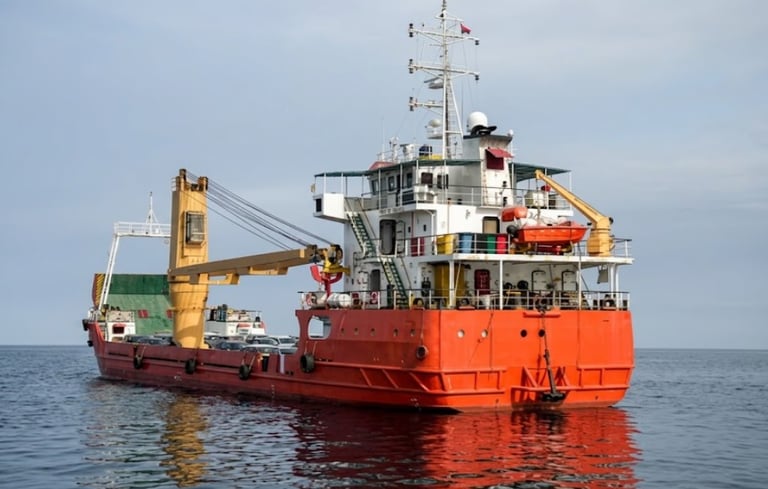
230 loaded tankers stranded inside the Gulf
Iran had charged over $1 million per ship in passage tolls and laid sea mines in the strait. The US counter-move is structural: interdict every vessel that paid those tolls in international waters, and mine-sweep a new passage. Two aircraft carrier strike groups, a dozen surface ships outside the Gulf, six destroyers inside — that is the force requirement one retired admiral put to CNN. Enforcing silence costs more than the announcement.
Iran's response: if its ports are threatened, no port in the Persian Gulf or Arabian Sea is safe. France and the UK declined to join and announced a joint conference on peaceful navigation instead. The mechanism of pressure is in place. The outcome depends on which side's costs rise faster.
Connect
contact@blowpost.com
© 2025. All rights reserved.
BlowPost is an independent geopolitical and market intelligence publication. We cater to traders, bankers, logistics professionals, and anyone who wants to understand the structural forces beneath global events — energy markets, capital flows, and trade corridors. No ideology. No institutional interest. Just the structure.