
The Prime Minister’s Broadcast: Communication or Control?
POLITICS
Vishal Thakur
4/19/20263 min read
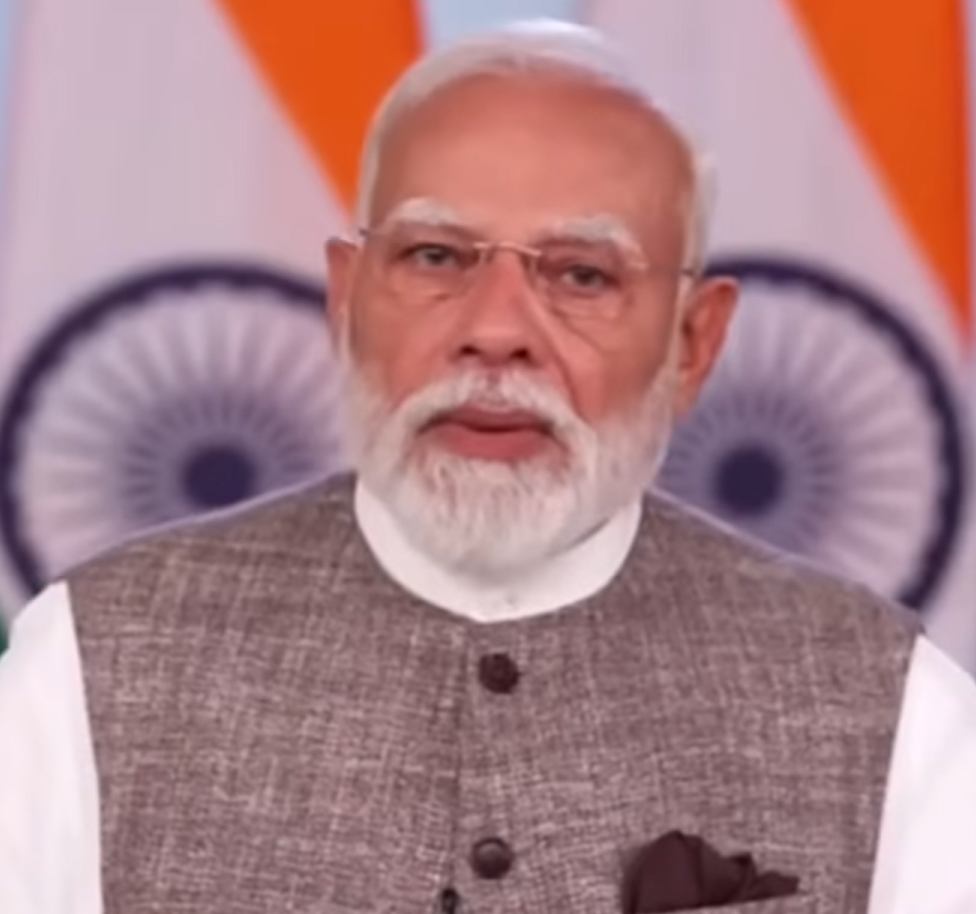
On April 18, 2026, a day after the high-stakes defeat of the Women’s Reservation Amendment in the Lok Sabha, the nation witnessed a moment that has sparked a fierce debate over the ethics of power. Prime Minister Narendra Modi’s address to the nation, delivered through the state’s public broadcasting machinery, has raised critical questions: Where does the Prime Minister’s official duty end and the politician’s campaign begin? More importantly, did the government misuse its authority to bypass the level playing field of Indian democracy?
Bypassing the "Silence" of the MCC
The timing of the address was particularly sensitive. With assembly elections underway in several states, the Model Code of Conduct (MCC) was in full effect. The MCC is designed to ensure that the party in power does not use its official position to influence voters. By choosing to broadcast a national address on a "news" channel during this period, the Prime Minister effectively bypassed the campaign restrictions that apply to all other political parties.
While the government defended the move as a necessary update on a "National Event"—the status of a Constitutional Amendment—the content of the speech told a different story. It was not a technical briefing on legislative procedure; it was an emotional appeal that framed political rivals as enemies of "Nari Shakti" (women's power). By doing so, the government used the gravity of a national broadcast to deliver a campaign-style message that would have been restricted on any other platform.
The Public Exchequer as a Political Platform
One of the most stinging criticisms from constitutional experts and opposition leaders centers on the use of state resources. Public broadcasters like Doordarshan and All India Radio are funded by taxpayers and are mandated to remain neutral. When these platforms are used to broadcast a speech that labels the opposition’s technical concerns as "foeticide of dreams," it blurs the line between the state and the ruling party.
The use of Sansad TV and official government social media handles to amplify a message that explicitly warns that women will "not spare" certain political parties is seen by many as a clear overreach. It suggests a growing trend where the machinery of the state is being repurposed to serve the narrative needs of the incumbent, regardless of the ethical precedents being shattered.
The "Double-Edged" Narrative Strategy
Critics argue that this broadcast was a calculated move to control the fallout of a legislative defeat. By taking to the airwaves immediately, the Prime Minister ensured that his version of the story reached the public before the opposition could explain their complex arguments about census data and regional representation.
This strategy is what analysts call a "double-edged sword." On one edge, it fulfills the Prime Minister's role as a communicator-in-chief. On the other, it serves as a blunt instrument to silence the opposition. By positioning the government as a victim of "obstructionist politics," the broadcast successfully diverted attention away from why the government insisted on a controversial "shortcut" using 2011 census data, which many believe was the real reason the bill failed.
A Threat to the Level Playing Field?
The primary concern for the Election Commission of India (ECI) is the "level playing field." If the ruling party can use national broadcasting to frame its failures as the opposition’s crimes, the very spirit of fair competition is at risk. The Prime Minister’s address appeared to speak less to the Parliament and more to the women voters in election-bound states, effectively campaigning after the "silence period" had already begun.
Conclusion
The broadcast of April 18 serves as a stark reminder of the immense power the incumbent holds over the national narrative. While the government may argue that the public has a right to know the status of landmark legislation, the aggressive, partisan tone of the speech suggests a different priority. When the state’s official channels are used to threaten political rivals and emotionally charge a specific voting bloc, it isn't just a breach of protocol—it is a challenge to the democratic norms that prevent the government from becoming a law unto itself.
Connect
contact@blowpost.com
© 2025. All rights reserved.
BlowPost is an independent geopolitical and market intelligence publication. We cater to traders, bankers, logistics professionals, and anyone who wants to understand the structural forces beneath global events — energy markets, capital flows, and trade corridors. No ideology. No institutional interest. Just the structure.