
The Rise of South-South Trade and a New Economic Path
MARKETS
Vishal Thakur
4/14/20262 min read
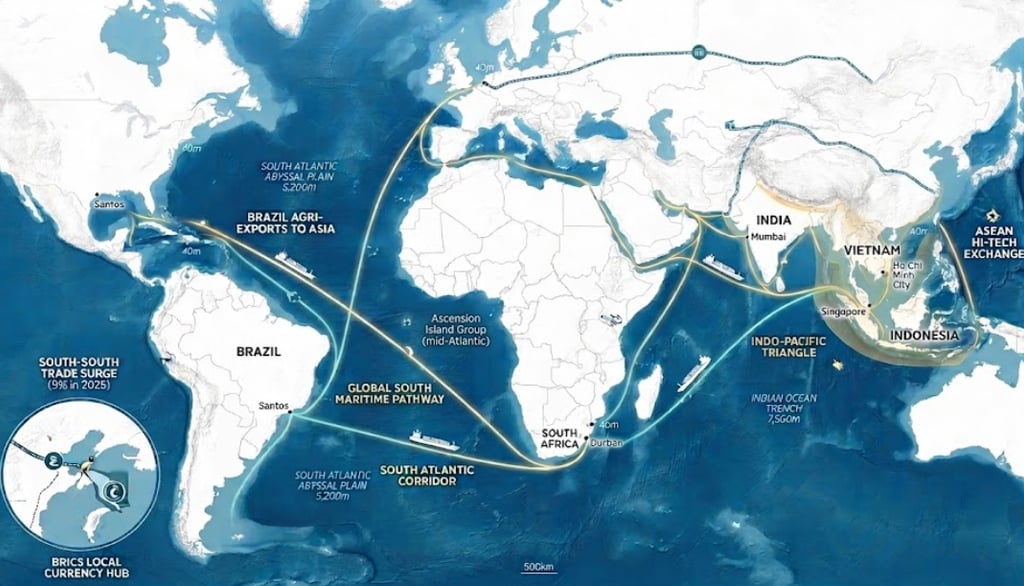
For decades, the world’s trade map looked like a giant wheel where every spoke led back to the United States or China. Most countries relied on these two giants for everything from selling their raw materials to buying the latest technology. However, 2025 marked a historic turning point as trade between developing nations, often referred to as the Global South, surged by 9%. This growth significantly outpaced the global average, signaling a fundamental shift in how the world does business and establishing what many call the era of South-South cooperation.
This transition is much more than just a change in numbers; it represents a new kind of independence. Countries across Southeast Asia, Africa, and Latin America are increasingly looking to one another as primary business partners rather than waiting for orders from the traditional economic superpowers. This shift creates a vital safety net, allowing these nations to remain stable even when the US and China are locked in trade disputes. By building their own networks, they are effectively creating a world with multiple centers of gravity where South-South exchange provides a foundation for mutual growth.
The nature of what is being traded has also evolved. While these nations once primarily exported raw resources like oil and minerals to the West, they are now exchanging high-tech components, sophisticated electronics, and processed foods among themselves. This internal "tech chain" means they are building their own industrial future rather than just serving as a resource base for others. Furthermore, by increasingly using their own local currencies instead of the US dollar, these countries are making trade more affordable and gaining greater control over their financial destinies through direct South-South financial systems.
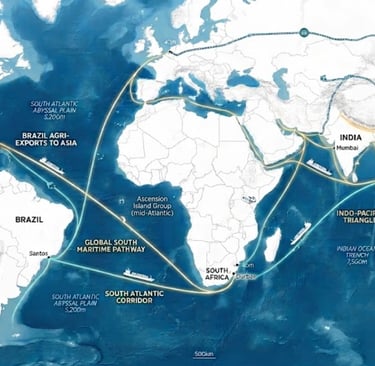
Ultimately, we are witnessing the birth of a new global map. Trade routes connecting places like Brazil, South Africa, India, and Indonesia are becoming the new corridors of wealth and opportunity. The old story of East versus West is being replaced by a more complex and balanced reality where the Global South is a powerhouse in its own right. This quiet revolution is reshaping global wealth and ensuring that the future of the world economy is no longer determined by just a few powerful players, but by a diverse network of emerging economies.
Connect
contact@blowpost.com
© 2025. All rights reserved.
BlowPost is an independent geopolitical and market intelligence publication. We cater to traders, bankers, logistics professionals, and anyone who wants to understand the structural forces beneath global events — energy markets, capital flows, and trade corridors. No ideology. No institutional interest. Just the structure.