
The UAE is Leaving the OPEC "Oil Club"
ECONOMY
Vishal Thakur
4/28/20261 min read
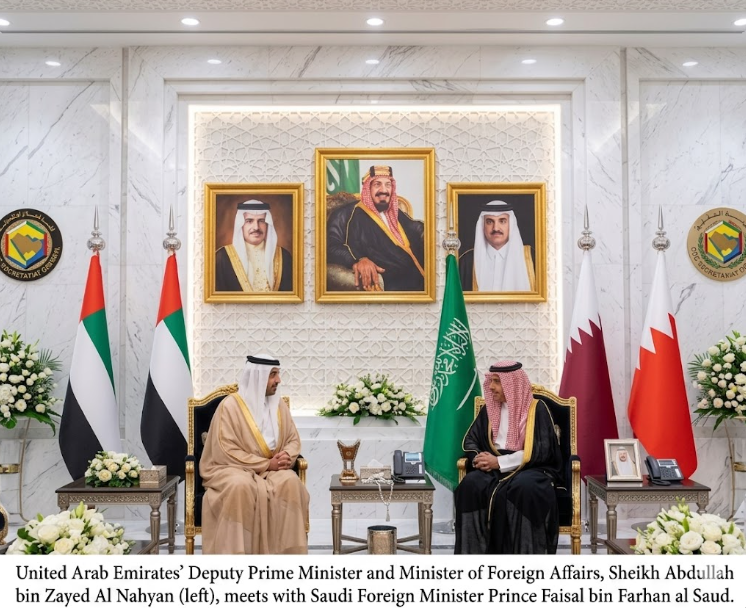
April 28, 2026 18:56 The United Arab Emirates (UAE) just made a huge announcement: they are leaving OPEC.
If you aren’t a follower of energy news, you might wonder why this is such a big deal. Here is the simple breakdown of what happened and why it matters to you.
OPEC?
Think of OPEC as an "oil club." A group of countries that produce a lot of oil get together to decide how much oil to sell and at what price. For years, the UAE has been a key member of this club.
UAE leaving?
The UAE wants to produce and sell more oil.
For the last few years, the club has had strict rules about how much oil each country is allowed to sell. The UAE has spent billions of dollars building new facilities so they can produce more oil than ever before. Staying in the club meant they had to keep their production low, which was costing them a lot of potential money.
By leaving, they are now free to sell as much oil as they want, whenever they want.
Why is this happening now?
There have been some disagreements behind the scenes. The UAE and Saudi Arabia (the leader of the club) haven't always agreed on the rules. With global energy prices being very unpredictable lately—partly due to tensions in the Middle East—the UAE decided it was time to go their own way and do what is best for their own economy.
How does this affect you?
Oil Prices: Usually, when a country produces more oil, the price goes down. If the UAE starts selling a lot of extra oil, it could eventually lead to lower prices at the gas pump.
A Weaker Club: Without the UAE, OPEC loses some of its power. If other countries decide to leave too, the "oil club" might not be able to control global prices like they used to.
The UAE is choosing its own future over the rules of the group. It is a bold move that shows they want to be an independent leader in the global energy market.
Connect
contact@blowpost.com
© 2025. All rights reserved.
BlowPost is an independent geopolitical and market intelligence publication. We cater to traders, bankers, logistics professionals, and anyone who wants to understand the structural forces beneath global events — energy markets, capital flows, and trade corridors. No ideology. No institutional interest. Just the structure.