
Trump Warns China of “Big Problems” Over Alleged Arms Shipments to Iran
POLITICS
Vishal Thakur
4/12/20262 min read
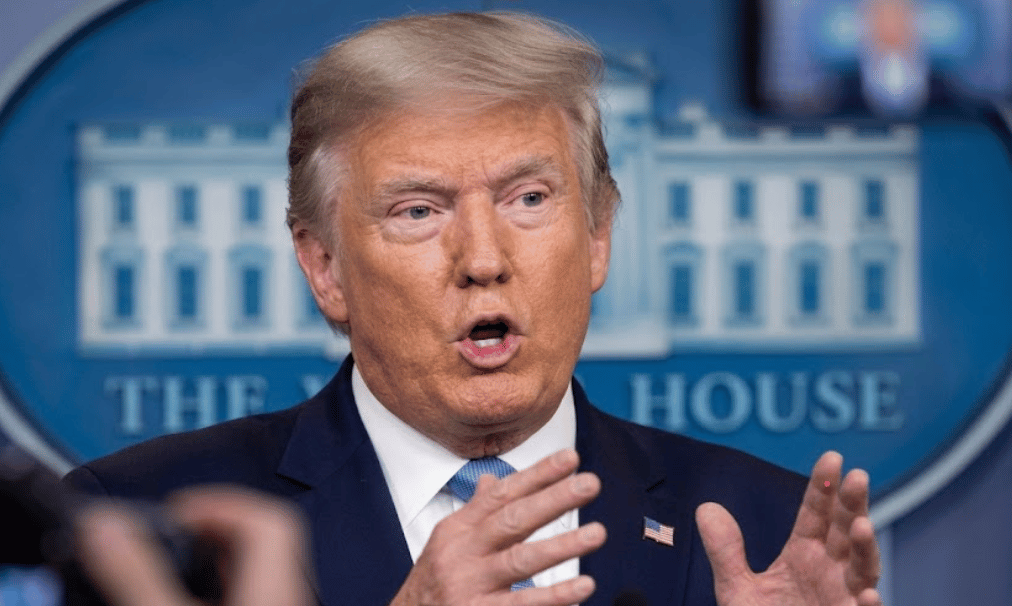
President Donald Trump issued a sharp warning to Beijing today, April 12, 2026, stating that China would face “big problems” if it proceeded with reported plans to supply advanced weaponry to Iran. The statement comes as intelligence reports suggest China is preparing to deliver shoulder-fired air defense systems (MANPADS) to Tehran, potentially utilizing the current two-week ceasefire to replenish Iranian military stockpiles.
The warning was delivered shortly after the formal round of negotiations between the United States and Iran concluded in Islamabad without a breakthrough. Trump indicated that any move by Beijing to provide military hardware would have severe consequences, likely targeting the upcoming diplomatic summit with President Xi Jinping and potentially triggering a new wave of economic sanctions.
While a Chinese embassy spokesperson in Washington dismissed the reports as “untrue,” the White House remains on high alert. U.S. intelligence suggests that these shipments are being routed through third-party intermediaries to maintain a level of deniability. The development adds significant pressure to the fragile truce, which is currently set to expire in less than ten days.
INVISIBLE STRUCTURE:
The "Proxy Replenishment" Loop: China’s alleged move is a classic example of using a ceasefire window to shift the regional balance of power without direct engagement. By providing MANPADS, Beijing is essentially attempting to "harden" Iranian defenses against future U.S. or Israeli airstrikes, ensuring that if the truce fails, the cost of re-engaging for the U.S. becomes exponentially higher.
The Summit Leverage: Trump’s warning is as much about the upcoming U.S.-China summit as it is about Iran. By making this a public "red line," the administration is creating a pre-emptive bargaining chip. If China backs down, Trump can claim a diplomatic victory before even meeting Xi; if they don't, he has already established the justification for a more aggressive economic stance during the talks.
The Deniability Gap: The use of third-party countries for shipping creates a "gray zone" in international law. China is testing the limits of U.S. intelligence capabilities and political will. By forcing the U.S. to act on intelligence that China officially denies, Beijing is attempting to paint the U.S. as the aggressor in the eyes of the international community, potentially isolating Washington from its European and Asian allies who are wary of a trade war escalation.
Editor’s Note: Invisible Structures At BlowPost, we believe true intelligence requires looking past the official statements. This section is not a report of verified facts; it is an analysis, based on our editorial expertise, of the strategic motivations and power dynamics at play beneath the visible conflict.
Connect
contact@blowpost.com
© 2025. All rights reserved.
BlowPost is an independent geopolitical and market intelligence publication. We cater to traders, bankers, logistics professionals, and anyone who wants to understand the structural forces beneath global events — energy markets, capital flows, and trade corridors. No ideology. No institutional interest. Just the structure.