
Understanding the Rupee's Recent Comeback
ECONOMY
Vishal Thakur
4/10/20262 min read
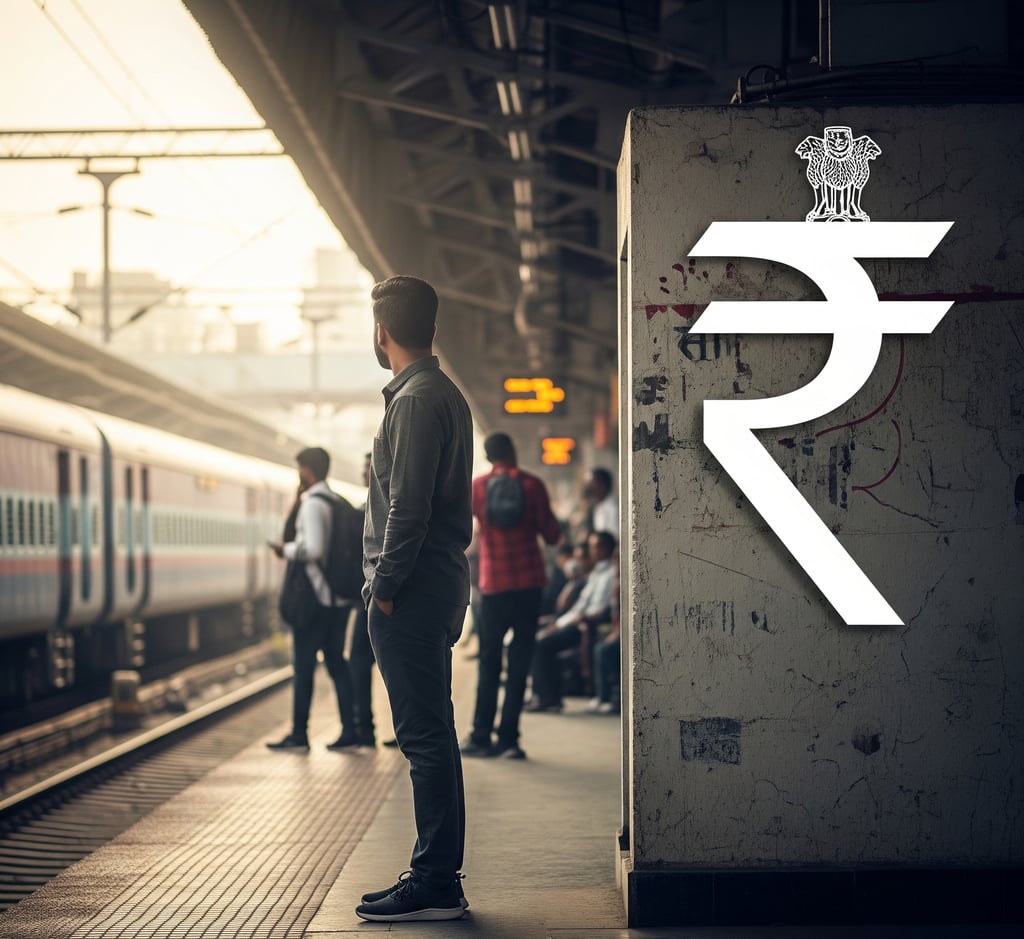
After a period of record lows, the Indian Rupee has started to regain its strength against the US Dollar. Between late March and April 10, 2026, the currency improved from its weakest point of 95.22 to a healthier range of 92.45–92.60. In simple terms, the Rupee has grown about 2.5% stronger in just a few weeks. This recovery is driven by several key economic and geopolitical factors that have worked together to stabilize the currency.
One of the most significant changes came from the Reserve Bank of India, which stepped in to stop speculation. Speculation occurs when traders bet on the currency's value changing just to make a quick profit. The RBI set a strict limit on how much extra foreign currency banks could hold, forcing them to sell off an estimated $30 billion worth of US Dollars and buy Rupees instead. Because demand for the Rupee increased so sharply, its value naturally began to climb.
At the same time, global tensions that often make investors nervous have begun to ease. Usually, during times of conflict, people hide their money in safer currencies like the US Dollar. However, a recent two-week ceasefire between the United States and Iran has calmed the markets. This diplomatic progress has made investors more confident, reducing the desperate rush for Dollars and allowing the Rupee to find its footing.
This regional peace has also had a direct impact on the cost of energy. India is a massive importer of oil and must pay for these supplies in US Dollars. When oil prices are high, India has to send more Dollars out of the country, which weakens the local currency. Following the ceasefire, the price of Brent Crude oil dropped from over $100 per barrel to around $94. Since oil became cheaper, India didn't need to spend as much foreign currency, which significantly relieved the pressure on the Rupee.
The recovery was further supported by a steady hand at the Reserve Bank of India. On April 8, the leadership decided to keep interest rates steady at 5.25%. By doing so, they sent a clear message that the Indian economy is stable and that the recent emergency measures were only temporary fixes intended to keep the market smooth. This consistent approach gave international investors the confidence they needed to keep their money invested in India.
While the Rupee has been getting stronger for five days in a row, the journey ahead depends on whether the peace in the Middle East lasts and if oil prices remain at these lower levels. For now, the Rupee's recovery is a positive sign for the Indian economy and provides a much-needed boost for anyone looking to travel or buy goods from abroad.
Connect
contact@blowpost.com
© 2025. All rights reserved.
BlowPost is an independent geopolitical and market intelligence publication. We cater to traders, bankers, logistics professionals, and anyone who wants to understand the structural forces beneath global events — energy markets, capital flows, and trade corridors. No ideology. No institutional interest. Just the structure.