
US-Iran Negotiations in Islamabad End Without Formal Agreement
POLITICS
Vishal Thakur
4/12/20262 min read
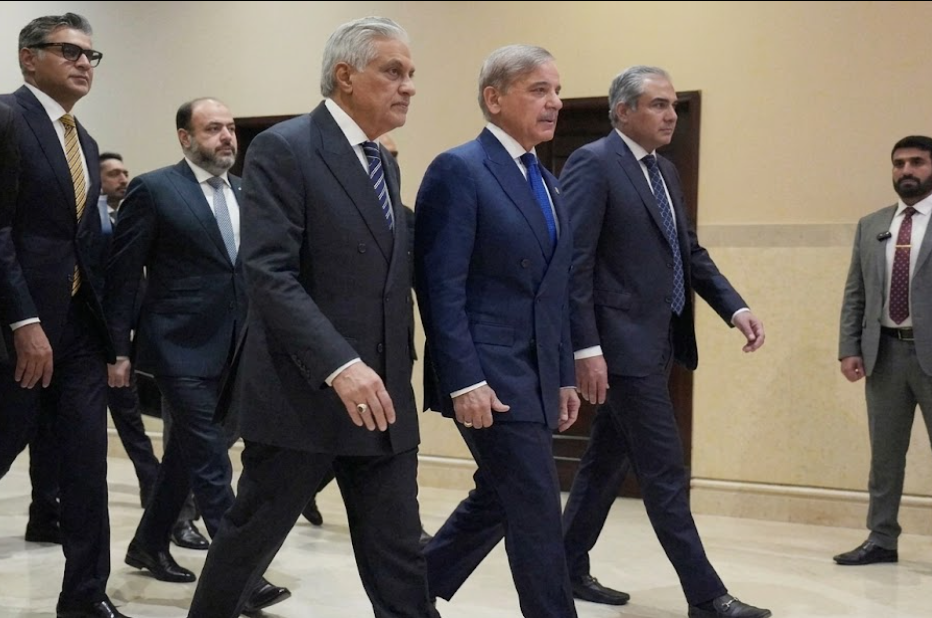
The direct negotiations between the United States and Iran in Islamabad concluded today, April 12, 2026, without a formal agreement. While the two-week temporary ceasefire established on April 8 remains in effect, both delegations have left Pakistan after 21 hours of talks.
The primary cause of the deadlock was a disagreement over Iran’s nuclear program. The United States delegation, led by Vice President JD Vance, presented a final proposal requiring Iran to stop its nuclear weaponization efforts and hand over its enriched uranium. The Iranian delegation, which included Abbas Araghchi and Mohammad Bagher Ghalibaf, rejected these terms, stating that the demand to surrender uranium violated their national sovereignty.
The status of the Strait of Hormuz was also a central issue. No agreement was reached to reopen the waterway or end the maritime blockade. The United States maintained that operations in the area would continue until the passage is clear, while Iran linked maritime security to the removal of economic restrictions.
Although the formal meetings have ended, Pakistani mediators will continue to facilitate backchannel communications between the two countries. The current ceasefire provides a temporary pause in hostilities, but it is set to expire at the end of the two-week window. Both nations are now assessing their positions as the deadline for the truce approaches.
The "Sovereignty" Shield: For the Iranian delegation, the refusal to hand over uranium isn't just a technical disagreement; it is a defensive move to maintain domestic legitimacy. In Tehran, surrendering the nuclear program is viewed as political suicide, making the "sovereignty" argument an immovable internal requirement.
The "Maximum Leverage" Strategy: The Vance delegation’s "final and best offer" serves a dual purpose. By setting a hard line now, the U.S. attempts to force Iran into a decision before the ceasefire expires, while simultaneously signaling to domestic voters and regional allies like Israel that the administration remains uncompromising on nuclear security.
The Mediator’s Buffer: Pakistan’s role as a mediator provides both sides with "deniable diplomacy." The departure of the official delegations allows both Washington and Tehran to retreat to their respective bases without admitting defeat, while the Pakistani-led backchannels ensure that a total communications blackout—which often precedes a return to kinetic warfare—does not occur
Connect
contact@blowpost.com
© 2025. All rights reserved.
BlowPost is an independent geopolitical and market intelligence publication. We cater to traders, bankers, logistics professionals, and anyone who wants to understand the structural forces beneath global events — energy markets, capital flows, and trade corridors. No ideology. No institutional interest. Just the structure.